

As artificial intelligence technologies integrate into our daily lives, it is becoming increasingly difficult to separate fact from fiction. It used to be said that AI would only take people's jobs, now it is also taking away their vacations. Because AI has started a new era of deception where it can sell not only products but even non-existent places to people.
Source: Nurul Afzarina Mokhtar/Facebook
The "Kuak Skyride" Case - A Cautionary Tale:
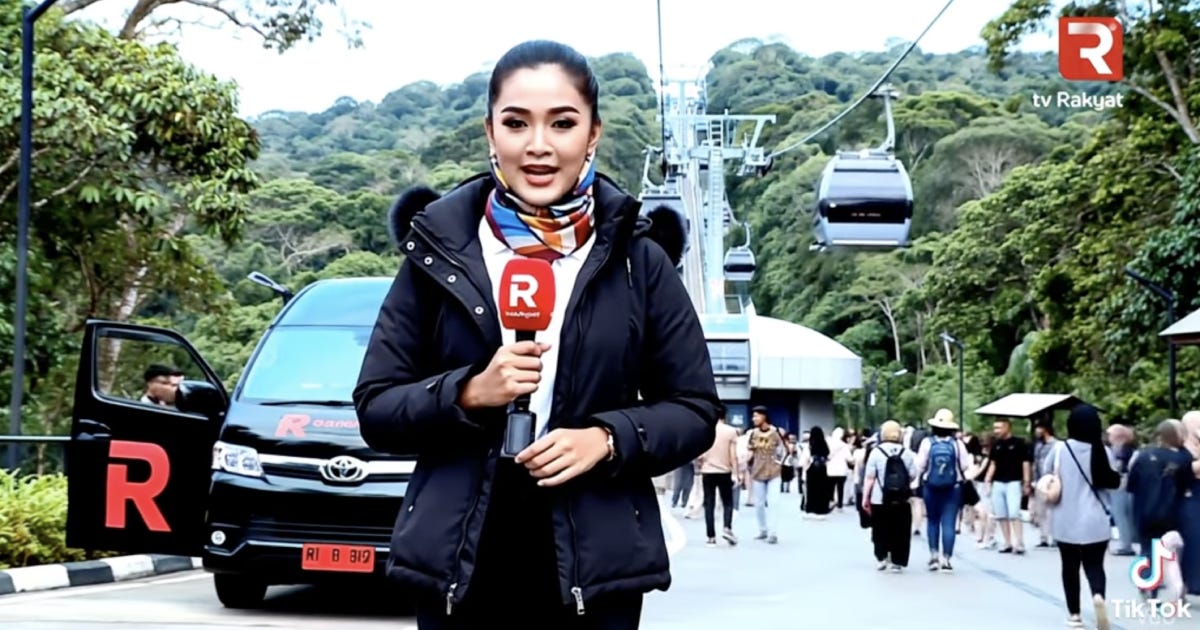
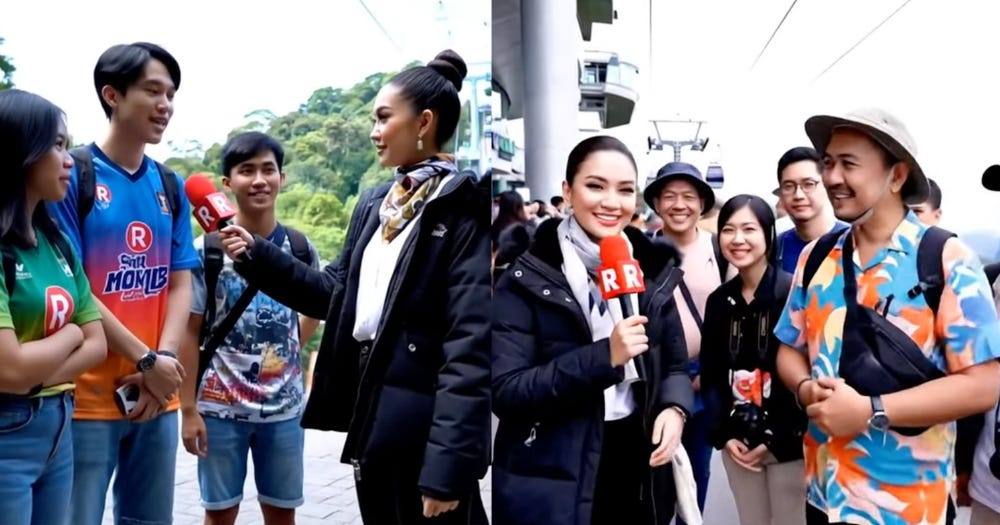
An elderly Malaysian couple traveled more than 370 kilometers from Kuala Lumpur to Perak after watching a viral video online about a mountain cable car called "Kuak Skyride". The video shows happy tourists and a reporter who is also traveling on the cable car. But when they arrived, they found only a small town and locals who didn't know about the cable car and were very embarrassed. As you can imagine, the video was produced with Veo 3, Google's AI video engine. We have seen many viral examples of street interviews made with this tool on social media in recent weeks.
Let's question how persuasive AI can be and why people believe such content. "Why would anyone want to lie? There was even a reporter in the video" is a clear indication of how unconscious societies are in terms of discerning the truth.
When I watch the video myself, I can notice many inconsistencies. From the reporter wearing a coat while everyone else is wearing a t-shirt, to the microphone with the channel logo taking on many different forms, there are many obvious things. But that's just me.
Source: Nurul Afzarina Mokhtar/Facebook
Redefining Visual Trust
While this video is a very good example of how easily such a scam can be perpetrated, it could also have been produced not out of malicious intent, but simply in an effort to generate content. Nevertheless, the AI black hole is growing. Deepfake attacks have increased by 2,137% in the last three years, from around 0.1% to 6.5% of total fraud attempts . This is not limited to travel; there are serious financial losses, such as investment scams with Elon Musk's deepfake videos (we have seen many examples in our country with Selçuk Bayraktar) or an employee from British Arup who lost the company 25 million dollars in a video meeting with whom he thought were his CFO and other colleagues.
The fact that the Kuak Skyride video went viral on Facebook and TikTok demonstrates the impact of social media platforms in the rapid spread of misleading content.
The Need for a New Consumer Awareness:
In this new reality, the "average consumer" is breaking out of old norms and needs a new level of wisdom. We now need to be alert not only to traditional scams like "Nigerian princes and surprise crypto offers" in our emails, but also to video illusions and AI videos that can go where no human can follow. So how do we do this?
Develop your skepticism muscle: Doubting things that seem "too good to be true" is no longer a need, it's a must. It is very important to confirm from more than one source if necessary. In this research, do not approach every account with high followers as "if it has this many followers, it must be true". Social media is full of such garbage accounts.
Visual verification tools: Learn to use reverse image search or social media post searches.
Education and awareness: Something must be done to make the ability to recognize AI-generated content mainstream. While 452 million people in the world still do not have access to safe drinking water, the answer to how this will happen is perhaps possible by raising awareness at a very young age in schools like in Finland.
Responsibility of platforms and content creators: This may be the most logical solution to prevent the spread of misleading AI content, as this is the fastest distribution network.
As a result, this new reality created by AI technology, which I always say is revolutionary, definitely comes at a price. What would you do if this happened to you? If you saw a place on social media, went there without any research and found an empty field there? (I'm going to pack my virtual suitcase and go on a Midjourney holiday now, see you next week with a new article 😊)