

In my article "Artificial Intelligence for Brands", I mentioned that while AI is on the rise, you don't have to use AI just because it's a trend, if your brand's values and identity, and the bond it has established with its target audience are not suitable for this. We are going through a summer in which we would have a shortage of viral content if it weren't for Coldplay concerts, and no one understands that the video of a rabbit jumping on a trampoline is an AI product.
In this so-called "summer of brain rot", brands are still looking for ways to make more human and lasting connections, with no single big trend emerging. We are witnessing a resurgence in the popularity of nostalgic, sensory and slow marketing.
The Power of Nostalgia
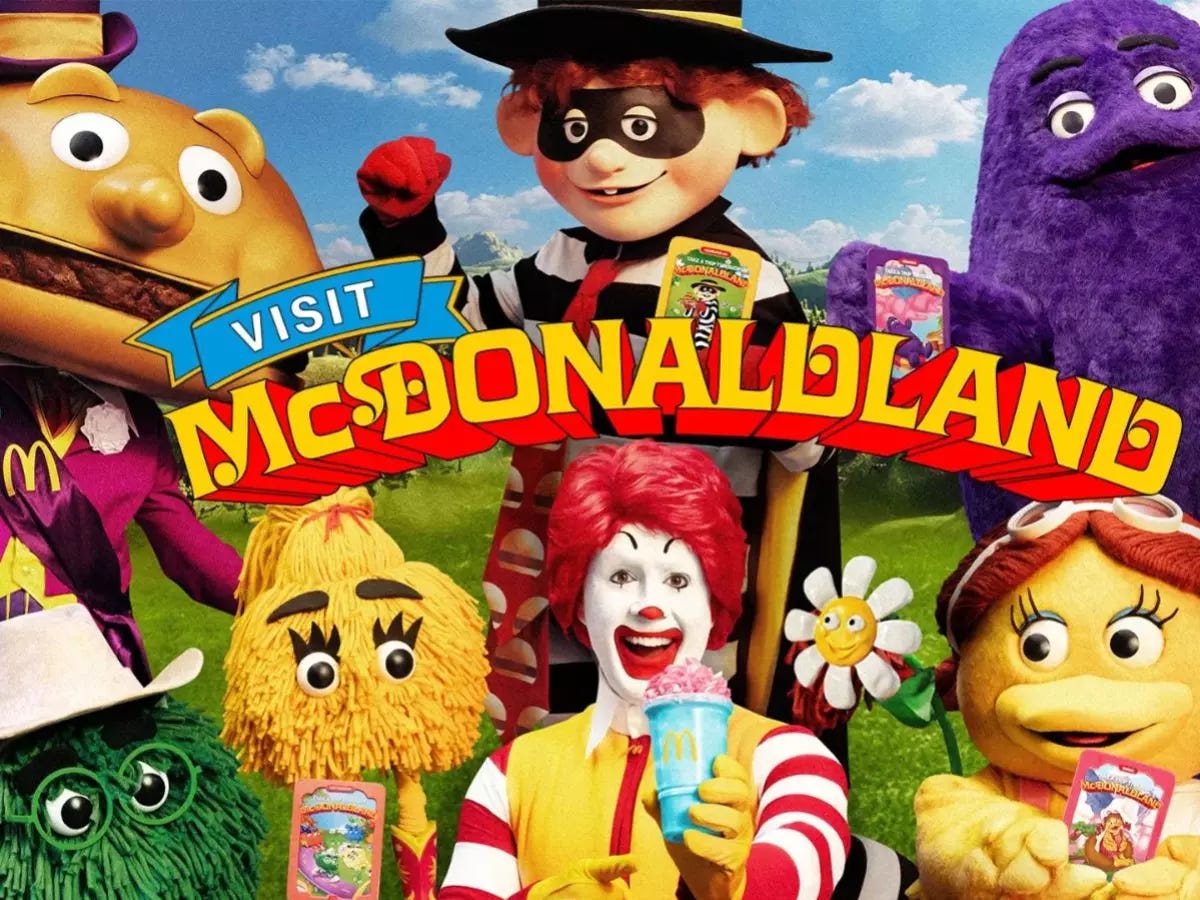
One of the most prominent marketing strategies of summer 2025 targets consumers' longing for the past. On August 12, McDonald's announced that it would bring back the McDonaldland characters with a new Happy Meal . I talked about the new "Kidulting" trend, which focuses on the "inner child" of adult consumers, in the post on why Labubu's are so popular. In addition to bringing back childhood memories, the fact that each meal comes in one of six different McDonaldland character-themed collectible cans, which also include postcards, stickers and other character-inspired items, adds collectible value to these menus. With this campaign, McDonald's aims to both increase sales and strengthen the consumer's connection with the brand.
Sensory Marketing
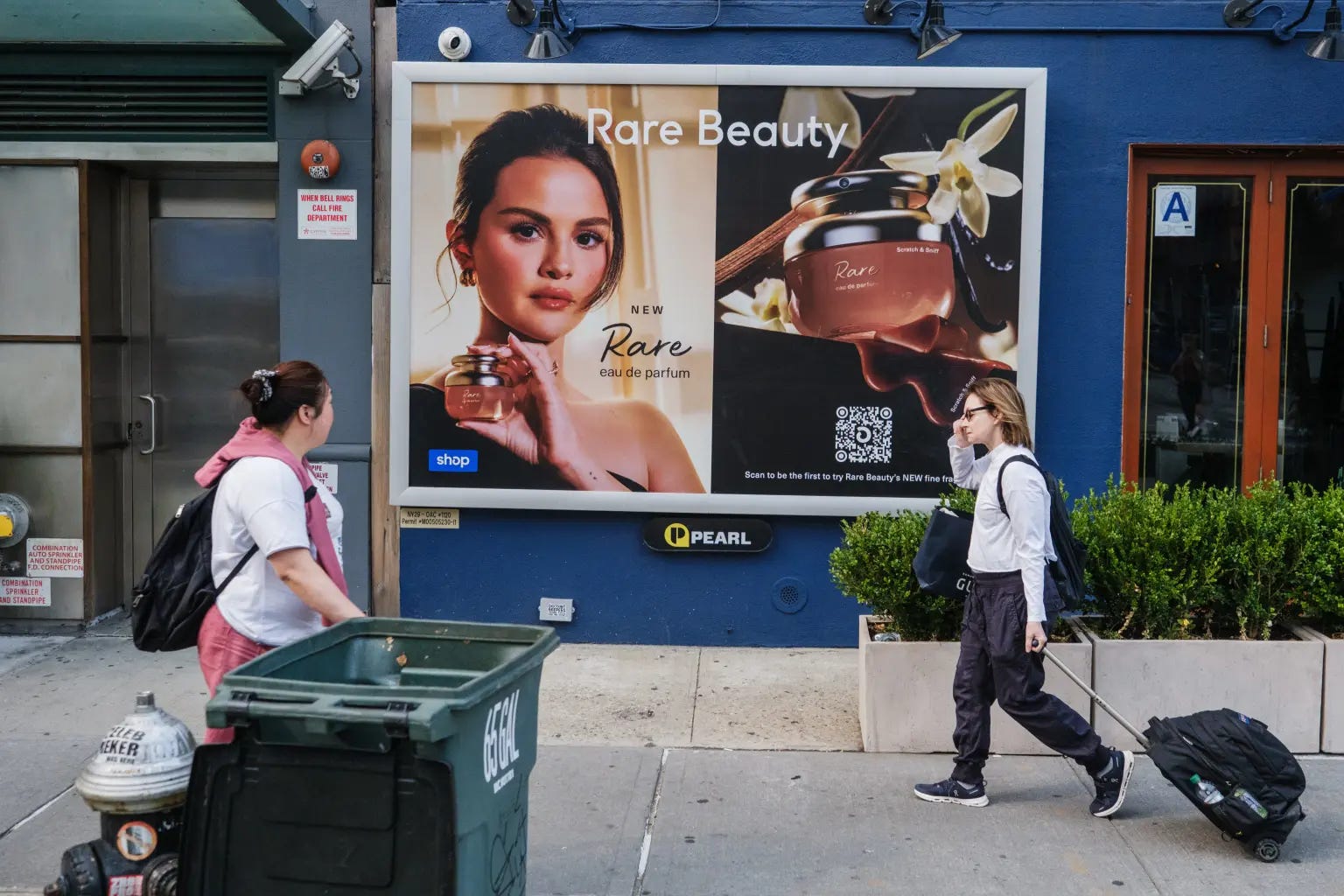
Although we are slowly abstracting from the concept of the five senses with the digital world, marketing campaigns that offer physical and sensory experiences continue to stand out. Selena Gomez's cosmetics brand Rare Beauty displayed a striking example of this approach with three scented billboards in Manhattan. The billboards, on which you can smell Rare Eau de Parfum when the perfume bottle is scratched, are a striking example of sensory connection. This reminded many people of the "scented pencils" of their childhood or the perfume samples in magazines (Avon used to do this in their catalogs), which also created a nostalgic connection, as in the McDonalds example.
The fact that you can order a free sample by scanning the QR code on the billboards integrates the physical experience with a digital experience. Although we don't have data on how many people sniffed the billboards, the announcement of the perfume received more than six million views on Instagram, making it one of the brand's best performing posts.
Slow Marketing
While it seems to be a trend to produce content that will make the algorithm happy with fast product cycles and constant posting, the Merit Beauty brand follows a different path . The brand doesn't chase "hype" and doesn't need to constantly launch just to create marketing momentum.
Merit's strategy is a good example of prioritizing brand identity. Their focus on "emotional recall" rather than visibility shows that they know their target audience very well. The brand's marketing manager said she encouraged his team to tap into offline sources of inspiration (museums, old magazines).
Surprisingly, print ads and magazine ads with scented strips have also worked well for Merit. "We've been very successful in scaling channels that nobody really looks at," Morin said, showing how, with the right target audience, there is potential in areas where not everyone is focused.
In summary, in the summer of 2025, despite the rise of AI, brands are still aiming - and succeeding - in building deep connections with consumers by focusing on more authentic, emotional and physical experiences. I've always been a firm believer that marketing strategies shouldn't be cookie-cutter, and it's clear that what's trending won't fit every brand. For the connection with the consumer to be real, it needs to be a lasting connection. I am sure that marketing efforts that create these real human connections instead of temporary digital connections will be on the agenda for a long time to come.