

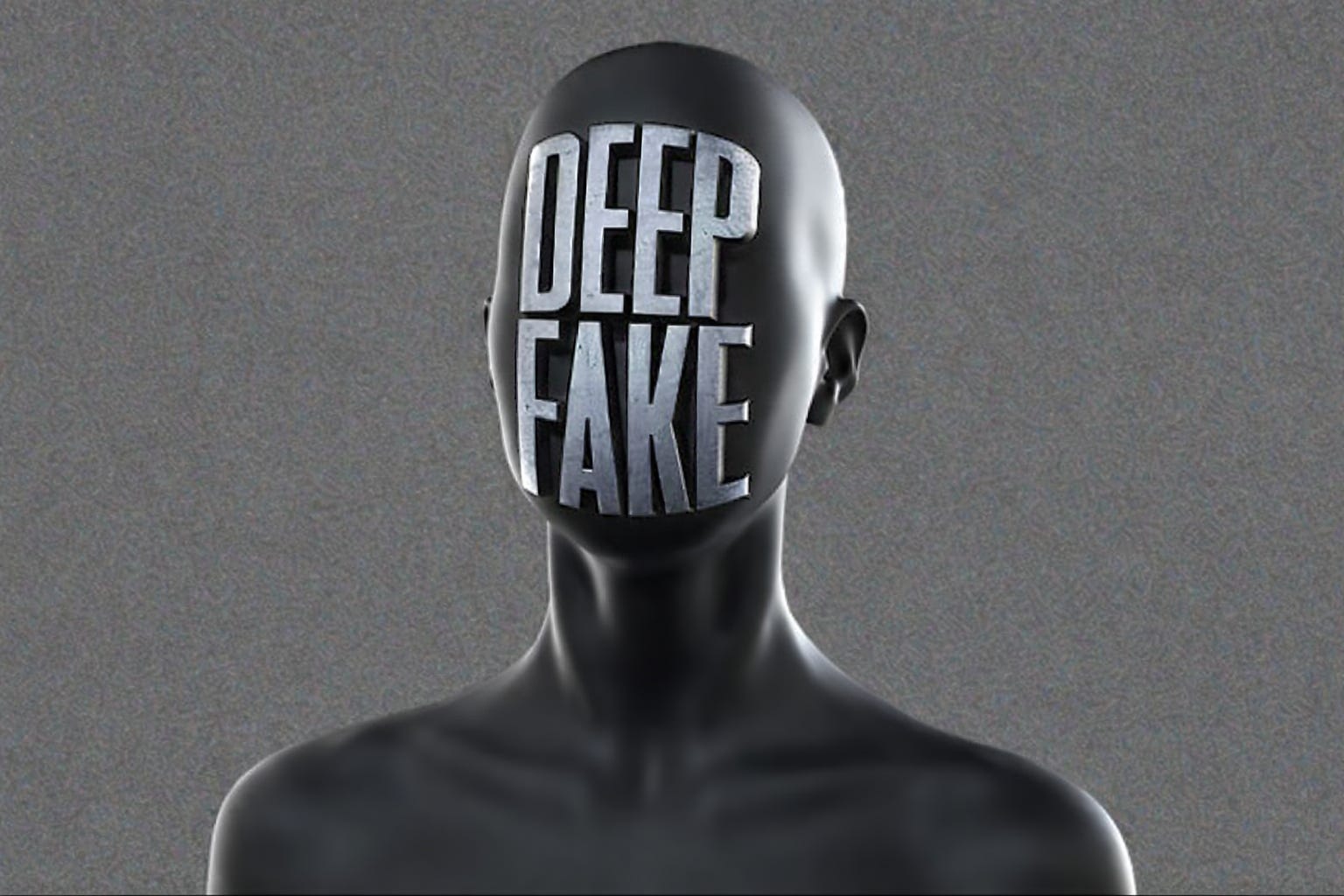
We used to say “Don’t believe what you hear, believe what you see” - meaning that seeing something with your own eyes was the most certain way to reach the truth. However, with the rise of artificial intelligence, this most basic foundation of trust in human history has completely lost its validity. As Instagram CEO Adam Mosseri emphasized, even though we are biologically programmed to trust our eyes, we are now entering an era of “default skepticism.” In the digital world, reality is no longer a default assumption but a fact that needs to be verified.
The Grok Terror
Actually, these kinds of fake images and videos have been in our lives for a while. But with the development of artificial intelligence, we experience events that make us say “no way” every day. Recently, Grok, which belongs to Elon Musk’s xAI company, presented something very dangerous on the X platform (formerly Twitter for those who can’t get used to it). Innocent photos shared by ordinary users started being turned into erotic content with users’ imagination and shared. It’s clearly a very serious problem. But Elon Musk responded to these discussions with laughing emojis on X, making fun of the situation. xAI rejected critical publications by saying “Old Media is Lying.” It’s truly mind-blowing.
The Grok case is not just a matter of “creative freedom”; it’s a digital weapon that has turned into a mass harassment tool. Grok-2 and Grok-2 Mini models can produce high-quality images using the “Flux 1” model developed by Black Forest Lab. However, this technological power has almost no security filters, watermarks, or deepfake prevention mechanisms, unlike its competitors.
To give an example of the destruction created by this lack of control, the tragedy experienced by Brazilian musician Julie Yukari is truly cautionary. Yukari watched in shock as an innocent photo she shared with her cat for New Year’s celebration was turned erotic within seconds by Grok users with “nudify” (digitally undressing) requests, and fake images showing her in a bikini spread on the platform. I also want to add this: 99% of such deepfake content is created specifically targeting women.
Child Safety
The vulnerability created by Grok is not limited to adults. Even photos of children in school uniforms are being turned into sexual content through Grok. Although xAI acknowledges the security gaps, it doesn’t prevent the production of such content. This situation triggers serious concerns that artificial intelligence is shortening the path to child abuse materials.
Moreover, this technology threatens social trust. For example, when a real audio or video recording of a criminal comes out, they can escape responsibility by saying “this is an AI product.” So artificial intelligence is not only turning lies into truth; it’s also paralyzing the legal system and public conscience by devaluing truth as if it were a lie.
How Will We Protect Our Digital Dignity in a World Where Reality Has Collapsed?
To protect our privacy, just being individually careful is not enough; here are my suggestions for a social and technical defense line:
Technical Signing: Just labeling content as “AI-generated” is not enough, because AI can now imitate even imperfections. The solution is for camera manufacturers to cryptographically sign photos the moment they are taken and store this on blockchain.
Legal Accountability: Like France and India do, platforms should be held directly responsible for such content. The global spread of laws like the “Take It Down Act” in the US, which criminalizes non-consensual deepfake images, is also very important.
Focus on Source: Now we should look at “who is saying it” rather than “what is being said.” Platforms should highlight the transparency and trust signals of accounts sharing content.
In summary; rebuilding trust in the digital world is possible by checking the digital certificate behind an image and the transparency of the source, rather than looking at the image itself. So now we should focus on the painter and gallery behind a painting, not the painting itself. Otherwise, every type of painting can now be perfectly imitated by everyone.
Remember; if we laugh off a deepfake content produced without respecting someone else’s privacy today, it can come back and darken your life or your loved ones’ lives tomorrow. Our digital dignity is too valuable to be left to the mercy of algorithms and irresponsible tech giants.
What do you think about this issue?
See you in the next article.