

Music has always been with us. Yet, it has only been about 140–150 years since we gained the ability to start listening to a piece of music performed anywhere, at any time.
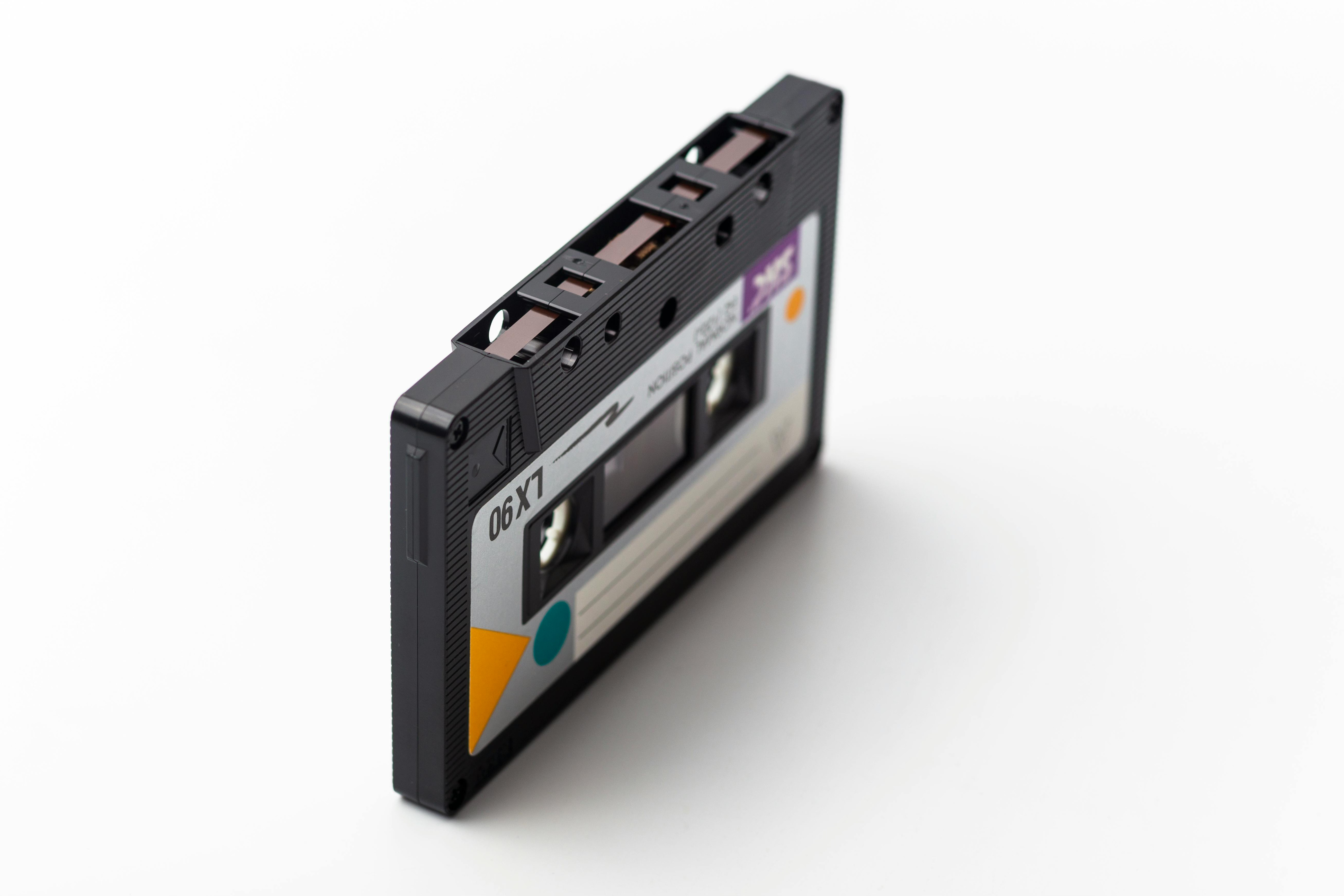
We owe this chance to Edison’s invention of the phonograph, though even he initially doubted music could be carried from one source to another. The phonograph gave birth to the radio, the radio to the record, the record to the cassette, the cassette to the CD, and the CD first to the MP3, and then to streaming.
With all physical formats, we had to get up to change the CD, flip the record, or switch the cassette. Illegal and legal MP3, on the other hand, offered us the opportunity for long, uninterrupted listening in exchange for a drop in sound quality. It didn’t seem like a bad deal. However, as the tools changed, it wasn’t humanity that developed the technology, but music itself that became tired and worn out.
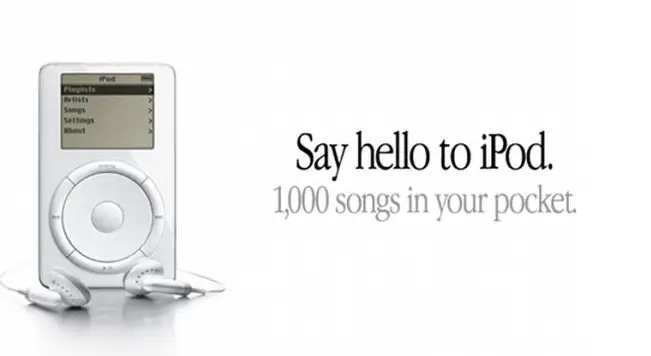
To make matters worse, it had to hit rock bottom by passing through the trial of illegal listening. Then, the iPod paved a path for legal listening for a while, but it vanished before seeing its twentieth birthday.
Following all this, something that can hardly be called a coincidence happened: Spotify emerged from Sweden, the homeland of The Pirate Bay. It’s a music box that made music portable everywhere in the world, allowing us to listen to as many tracks as we want for a monthly subscription fee. All you need is an internet connection. There was no longer a need to get up to flip the side of a record, change a CD, or wait for an album to download for minutes just to listen to music.
“Our only rival is the feeling of boredom.”
From the start, Spotify positioned itself as a music service. In doing so, it didn’t see iTunes, YouTube, or any other industry leader as a competitor.
Spotify’s true competitor was the state of boredom that people fall into. We could escape boredom with music, and the only thing we needed was uninterrupted music. Playlists we couldn’t see the end of and that were “suited to our mood,” artist/genre radio that played forever, and technical infrastructure designed to play songs at lightning speed were all built with this in mind.
Here, I would highly recommend Liz Pelly’s book, Mood Machine: The Rise of Spotify and the Cost of the Perfect Playlist, which examines Spotify’s journey in detail. It’s a crucial resource for understanding how music is pushed into the background as listening becomes easier.
Like all digital platforms, the success of streaming platforms is measured by usage time and user count. Therefore, Spotify had to make music effortless and continuously listenable. We were meant to sit back or attend to our business, while the music just continued.
However, then another player joined the game: Artificial Intelligence!
Our Music Entrusted to AI
The use of AI in music first began with the production of tracks “from scratch.” With AI tools like Suno reaching the end-user, a corner was turned very quickly: we now describe what we want to listen to via prompts, and we can start listening to these tracks within minutes.
We were surprised, of course, when we witnessed music produced by these tools silently starting to invade the platforms, but the results were satisfying; the tracks weren’t bad at all. The users who created the tracks mostly compiled and presented them in lists focused on our “mood” or “what we are doing.” New music we can “sit back and relax” to...
There are now millions of tracks we can listen to while working in a cafe or accompanying our Sunday morning coffee. New ones are added every day.
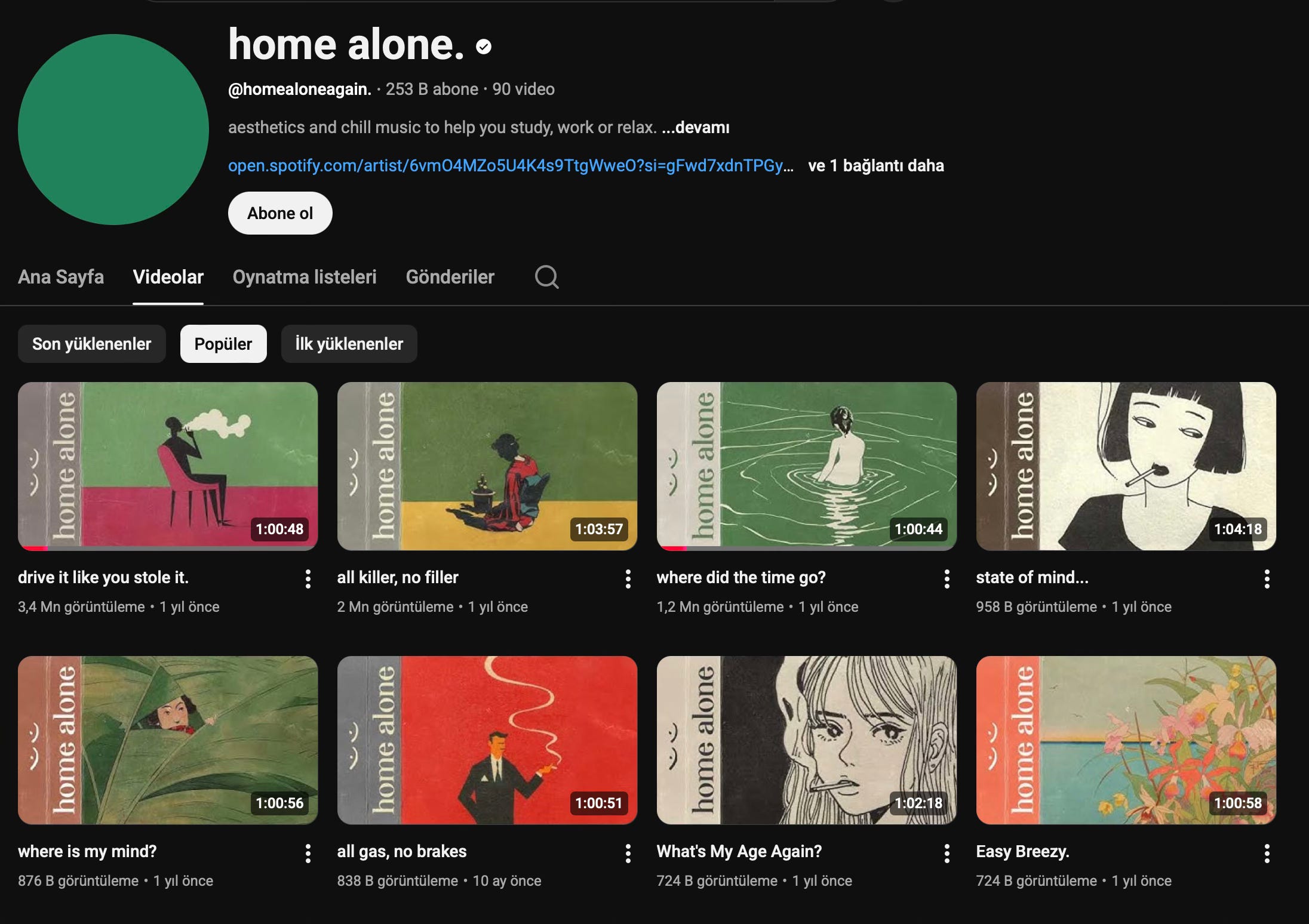
According to a study conducted by Deezer (one of Spotify’s rivals) together with Ipsos, 50,000 new AI tracks are added to the platform every day in 2025. This makes up 34% of the tracks uploaded to the Deezer platform in a single day. On the other hand, a study conducted during the same research showed that 97% of listeners who were played 3 tracks could not even detect which one was produced with artificial intelligence.
This is clear evidence that our organic connection with music is decreasing. AI now mimics music so well that the average listener fails to spot it.
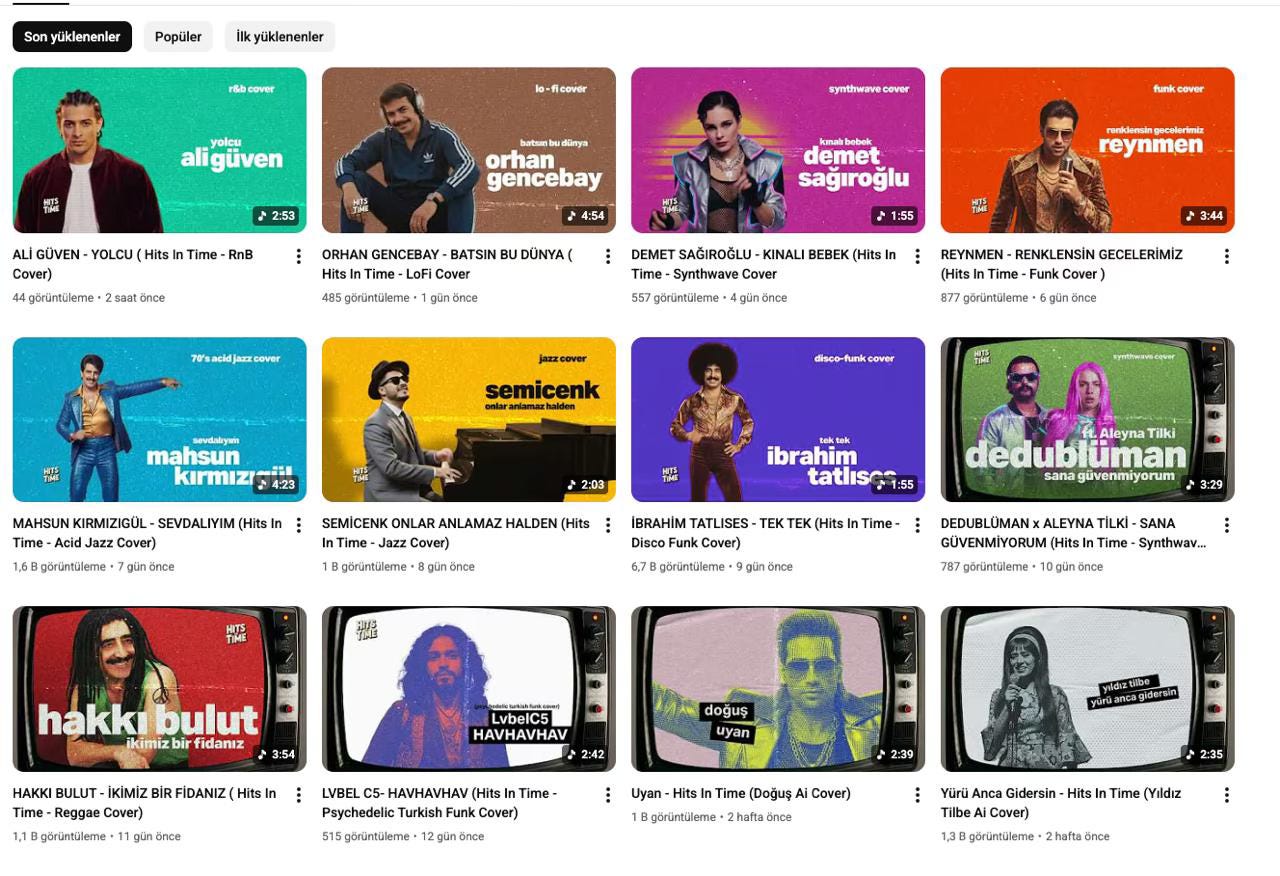
Thanks to our imagination, we have also managed to bring AI and music together in different ways. For example, a hybrid production method emerged (the AI covers) where we can listen to a rap track with a 1960s swing arrangement or Metallica’s “Fuel” in an “opera” version.
Metallica no longer needs to share the stage with an 80-person philharmonic orchestra and a choir of at least 30 to perform “Fuel.” Getting the music we want and think we deserve now happens within minutes. How long this trend will last is uncertain. Furthermore, there is no information regarding whether royalties are being paid to the rights holders. None of the cover works have metadata.
Industry Stakeholders Resist, Listeners Suggest Alternatives
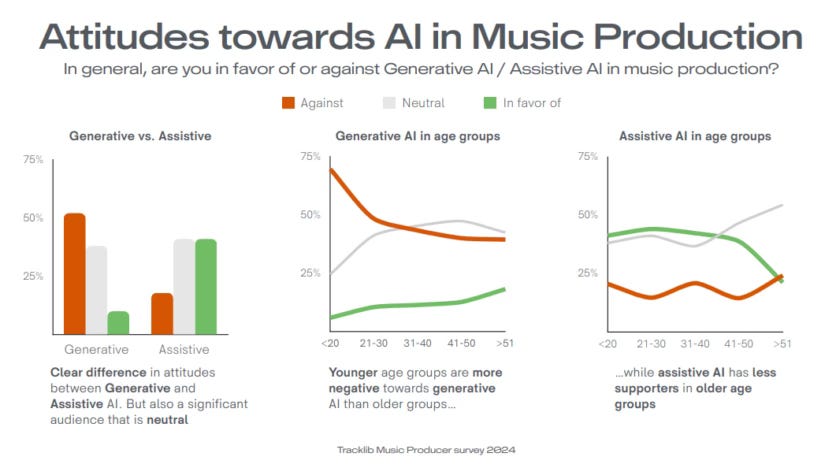
The end-user seems to be using AI quite effectively to create music. However, the music industry is acting very cautiously about including AI in production processes.
According to the results of a 2024 study by Tracklib, only 25% of sector stakeholders directly use AI in their production processes. The rate at which an entire track is created by an AI tool by industry professionals is only 3%.
For the listener, the situation has become very confusing. The most significant result of the Deezer and Ipsos research is a point on which all participants agreed: AI-generated music must be labeled. Humanity’s attempt to transform music according to its circumstances, despite belonging to a very lucky minority who got to listen to Mozart, Tchaikovsky, and even Ravel live, is forcing irreversible changes on composition, performance, and listening itself.
On the other hand, let’s also note that listeners are still supporting physical formats. In 2024, the year AI’s impact clearly shook the industry, physical album sales rose for the first time in 20 years. How this data will be updated in 2025 will be one of the most crucial factors determining the fate of the organic music listening experience (and the music we listen to while sitting back).