


Brides-to-be planning their weddings, birthday groups in prep mode, white-collar professionals renovating their homes, incurable manifesters building their 2026 vision boards, millennials wondering “what should I wear and post on Instagram?”, newly married women determined to prepare such an impressive table that even their sister-in-law can’t stop praising it. Pinterest is their common ground.
Anachronistic yet trendy. Friendly yet commanding. Close to us, but slightly smug. Pinterest is no longer just our platform; it’s firmly on brands’ radar. Because its user base is growing every day and its advertising models are becoming more sophisticated. For sectors with strong visual storytelling, Pinterest is no longer “nice to have”; it’s a genuine opportunity.
In this article, we take a comprehensive look at Pinterest’s rise in Turkey, 2026 trend expectations, which sectors benefit the most, how Pinterest drives sales, and which campaign types perform best. We examine what happens if you do this versus that.
(And yes, there’s a small surprise for agencies at the end.)
Why Is Pinterest Usage Increasing?
Pinterest’s global growth is already well known, but its rise in Turkey is particularly noteworthy. Estimates suggest between 7.5 and 10 million active users, with the majority aged 18–45 and a strong female skew.
Below, you can see the steady growth in numbers from February to November.
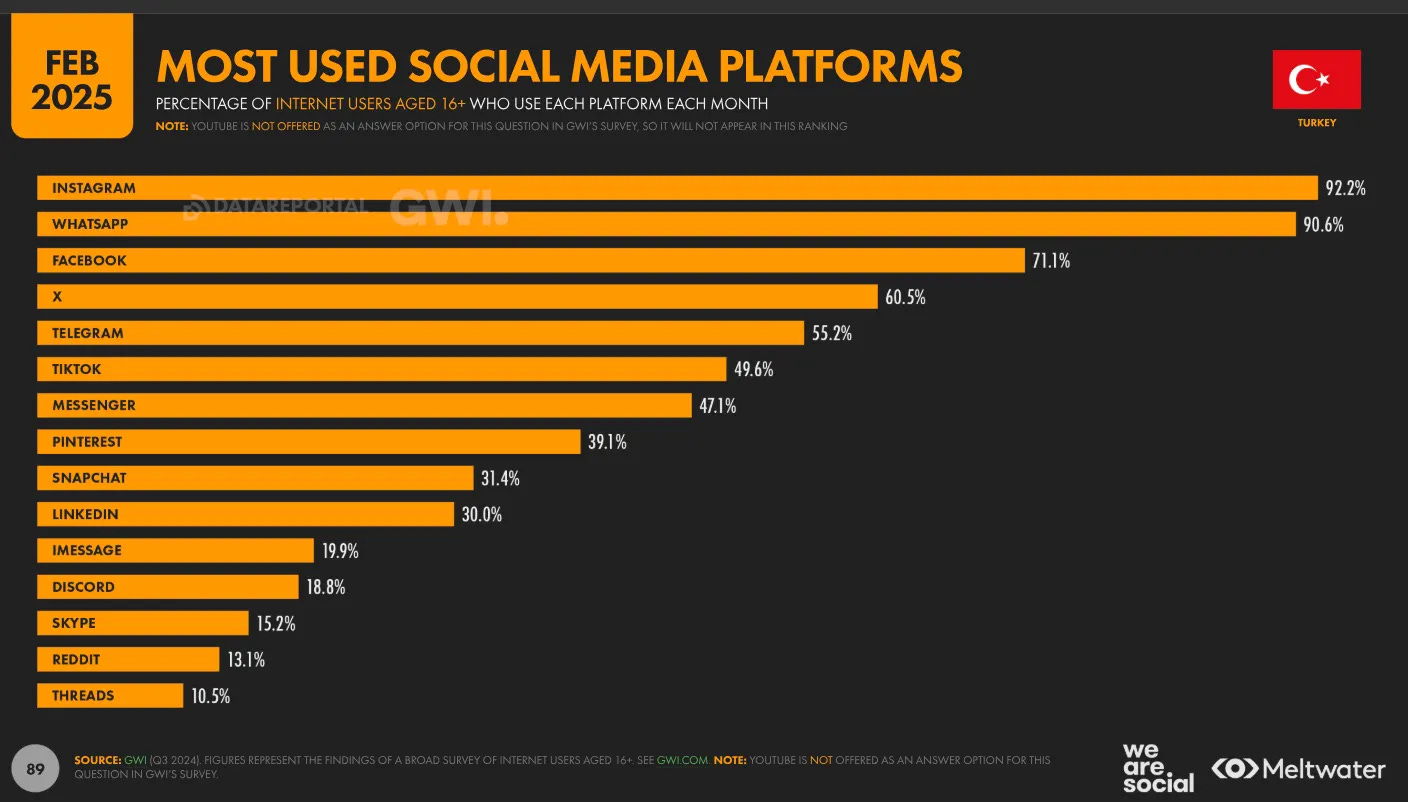
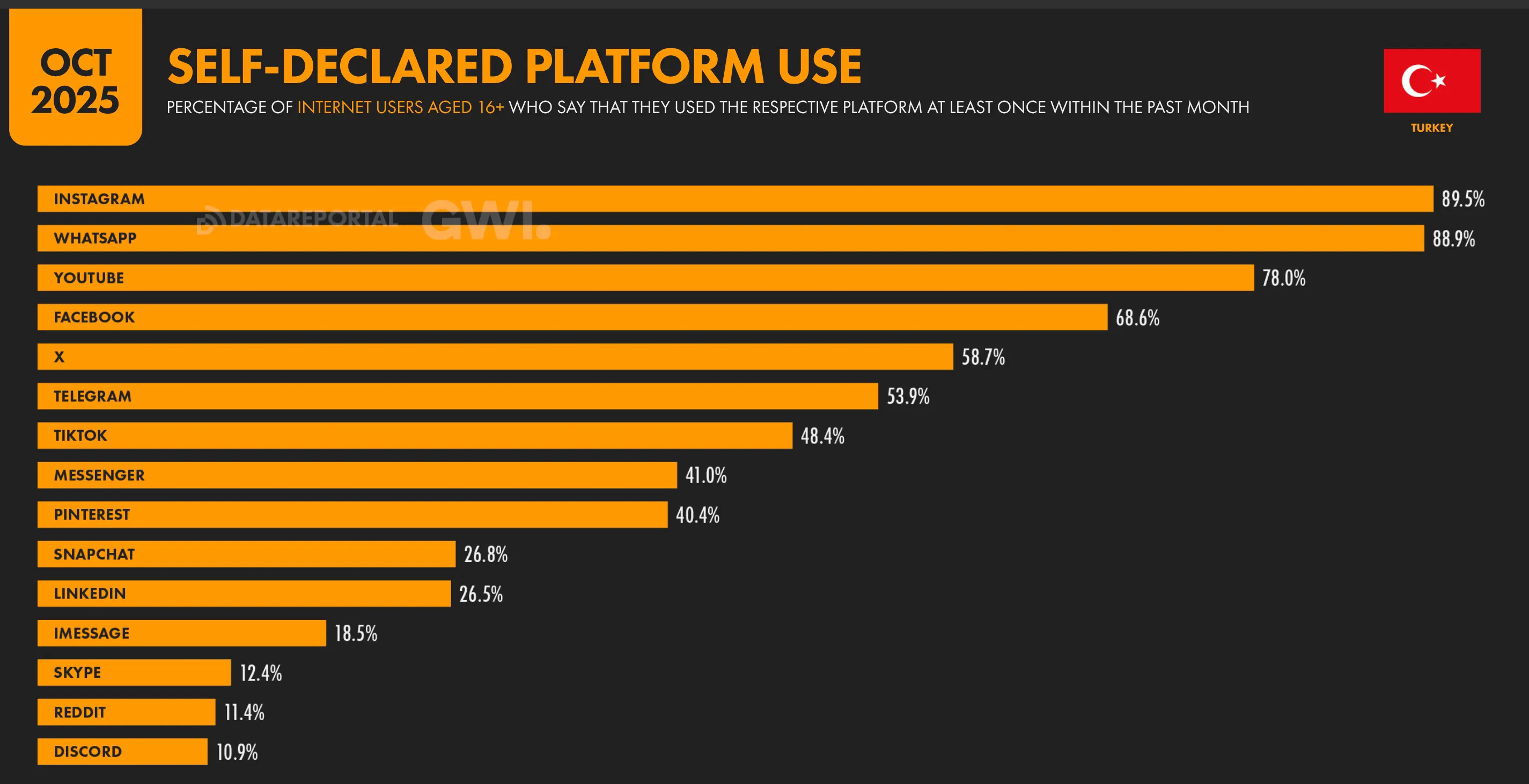
This audience isn’t on Pinterest just to browse. They’re there to decide.
They’re looking for decoration ideas, figuring out how to build a capsule wardrobe, saving hairstyle inspirations, collecting shopping ideas, planning holidays and crucially, organizing all of this into boards they can revisit and compare later. Because the economy no longer allows trial and error, Instagram posts feel too permanent for mistakes, and life is simply too short to live in an ugly room.
Pinterest’s biggest difference from Instagram and TikTok is this: users are at the very beginning of the decision-making journey. That means brands can reach potential customers earlier than almost any other social platform. This is where the cold audience lives.
And importantly, users come to Pinterest intentionally to research products. We’re not inserting products into entertainment, we’re showing up exactly where people are already looking for inspiration and solutions. The question is: how?
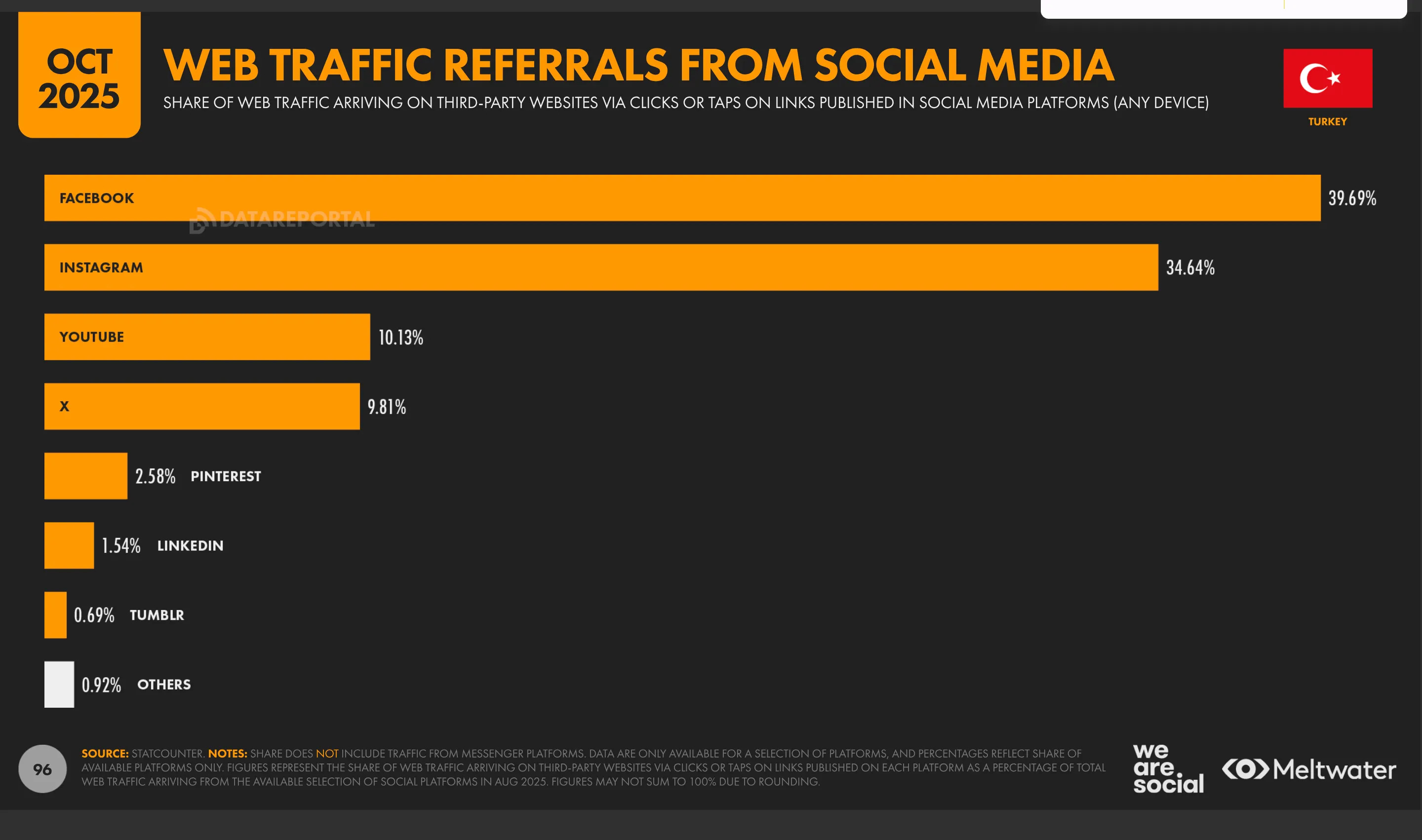
Pinterest now sits just behind the “big four” platforms in terms of brand attention. Yes, it still has a long road ahead but it’s an exciting one.
How Do You “Be” Pinterest?
Pinterest doesn’t work on the “share the moment” logic of other social networks. Content here functions more like a visual storefront or a curated moodboard — and the algorithm reinforces this behavior.
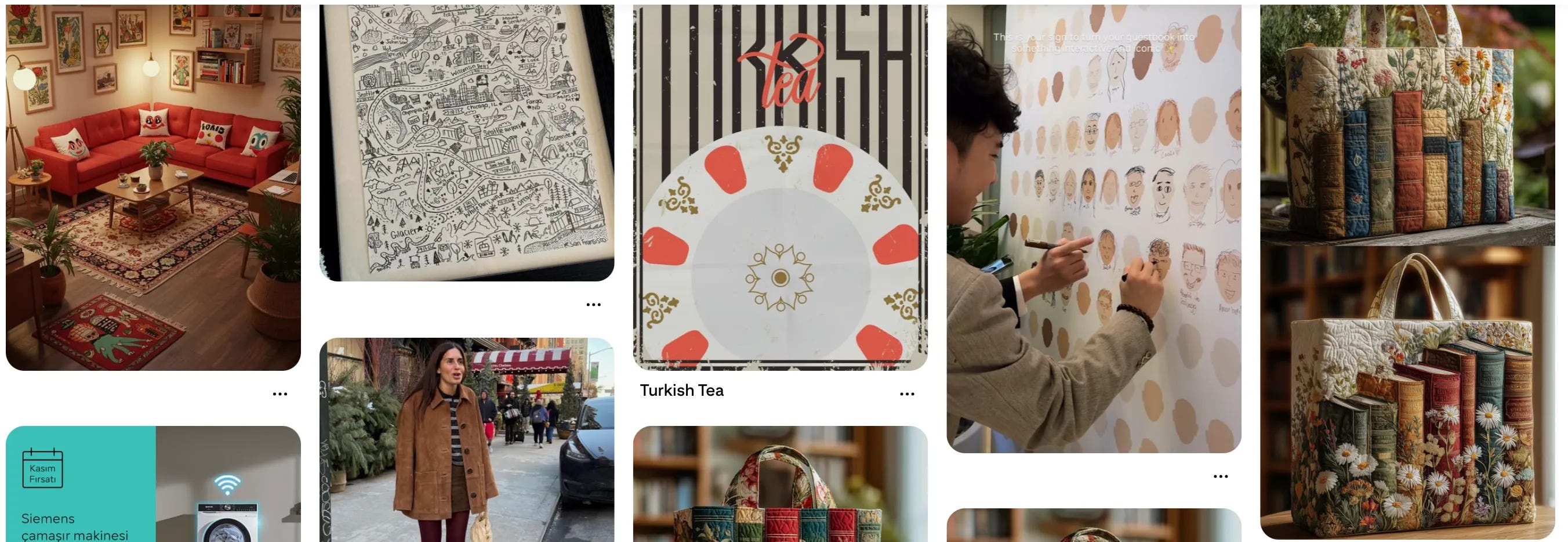
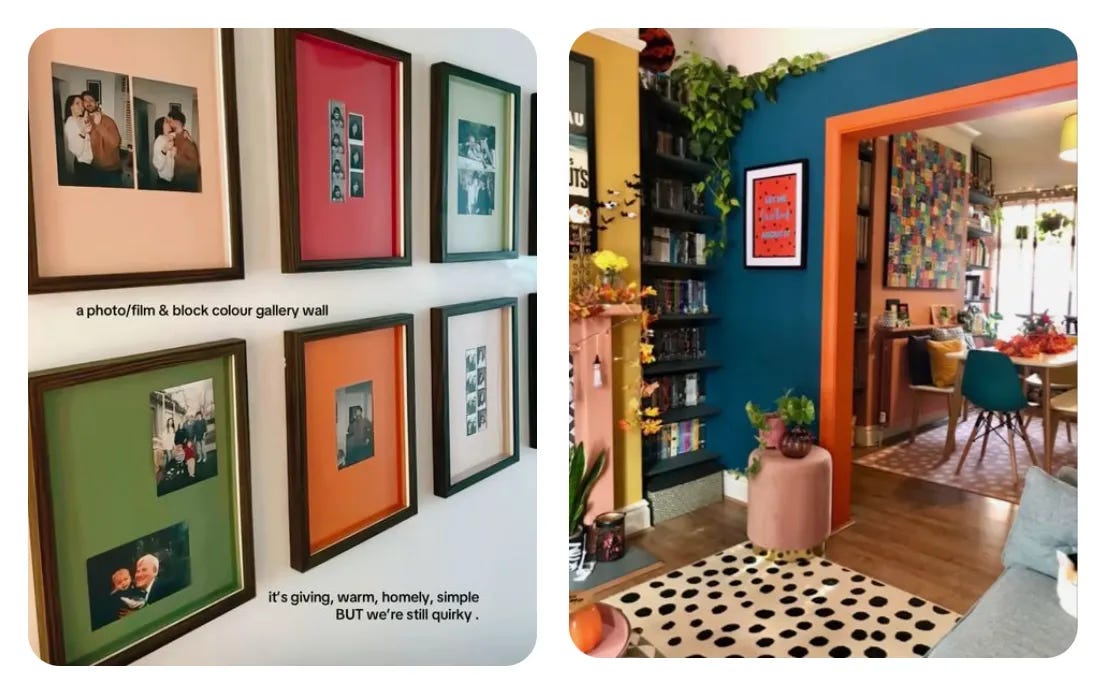
Highly stylized imagery, coherent interior aesthetics, harmonious color palettes, clean compositions, well-staged product photography, and an overall sense of visual order perform significantly better on Pinterest.
And unfortunately (or fortunately), even TV series are now part of this ecosystem.
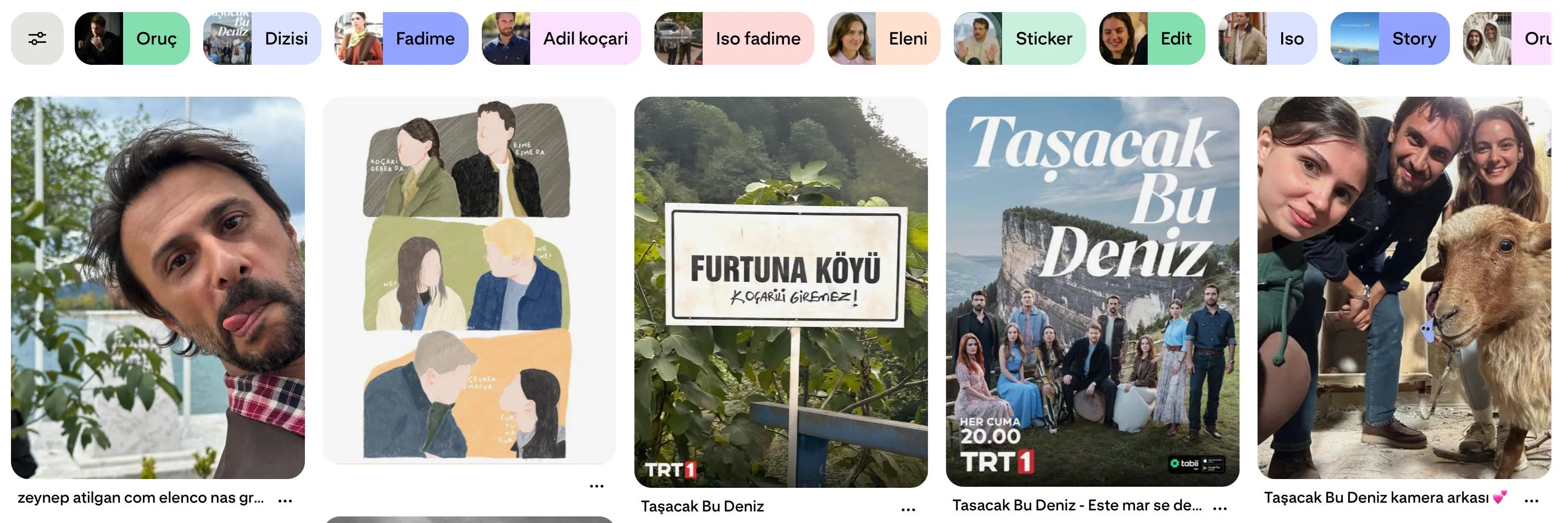
Quick, casually shot videos that might perform on TikTok don’t translate well here. Pinterest rewards content that is intentional, designed, and close to editorial quality. Even in high-traffic categories, every piece of content demands serious post-production and visual planning. Brands that can deliver this are rewarded with strong, sustained traffic.
So which areas perform best?
According to Pinterest’s own data, traffic is expected to grow in the following categories in 2026:
Minimal living spaces built with natural materials
Sustainable fashion and personalized style
Home production content: crafts, DIY, small renovations
Short-form educational videos
Shopping pins directly connected to purchase
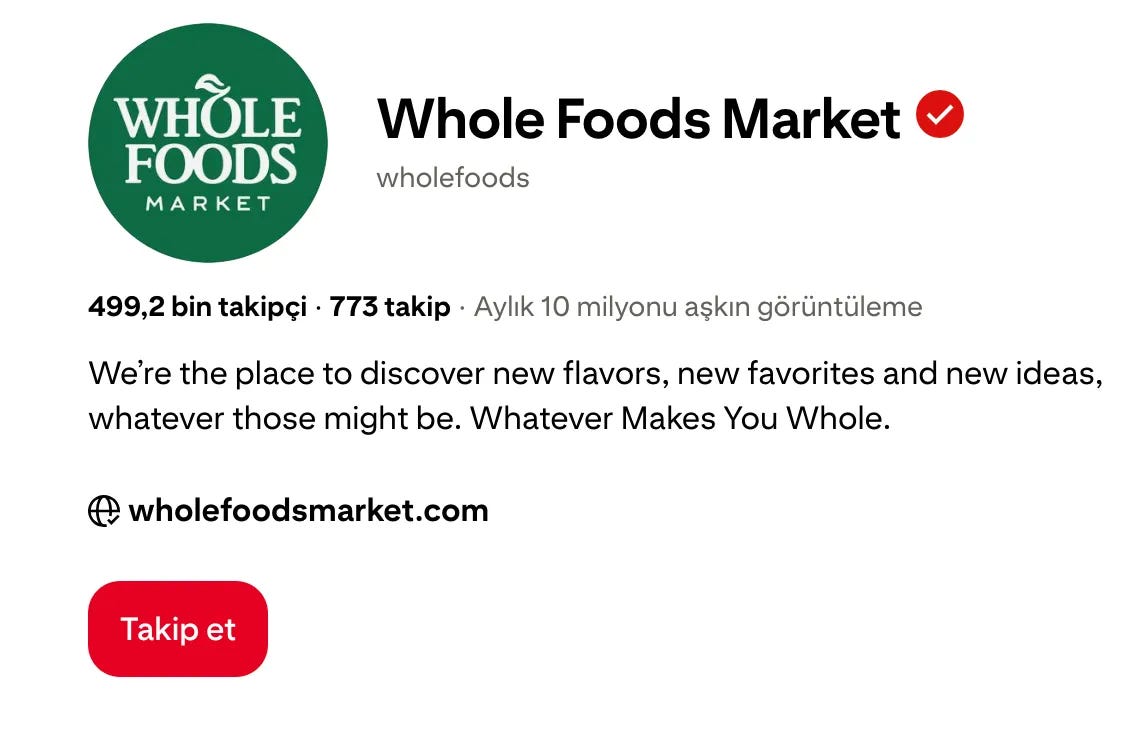
And yes, even categories you wouldn’t expect can thrive. (No one would guess grocery retail — yet Whole Foods receives over 10 million monthly views.)
However, succeeding in these categories isn’t as simple as “posting what’s trending.” All of this requires high visual quality. Color consistency, composition clarity, narrative strength of the object or product, typography and layout (especially in video or Idea Pins), and even the shooting language directly affect performance.
In short, what needs to be built is this:
A consistent, visually coherent source of inspiration.
That’s why success on Pinterest is both a creative production process and a strategic design discipline.
Infiltrating Special Occasions and Hobbies
Pinterest’s real power lies in inspiring people around their special moments and personal interests. But how do we do that? How do brands generate organic traffic or launch campaigns on Pinterest?
In simple terms: how should brands use Pinterest?
Because Pinterest functions like a search engine, well-structured content remains visible for a long time. Brands should reimagine their product catalogs through a board-based aesthetic. Instead of posting single products in isolation, creating inspirational combinations, theme-based moodboards, color stories, and usage scenarios significantly improves organic performance.
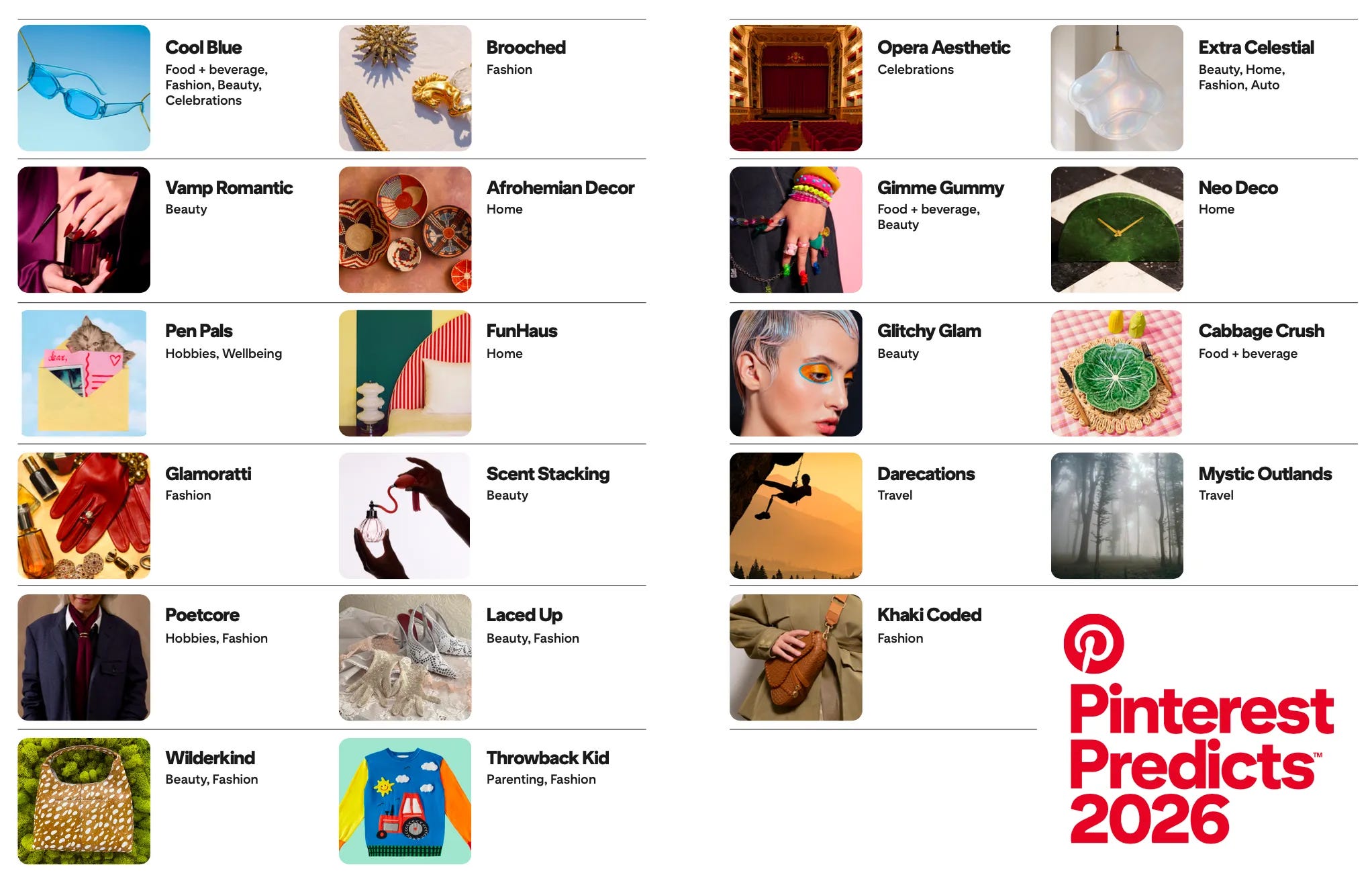
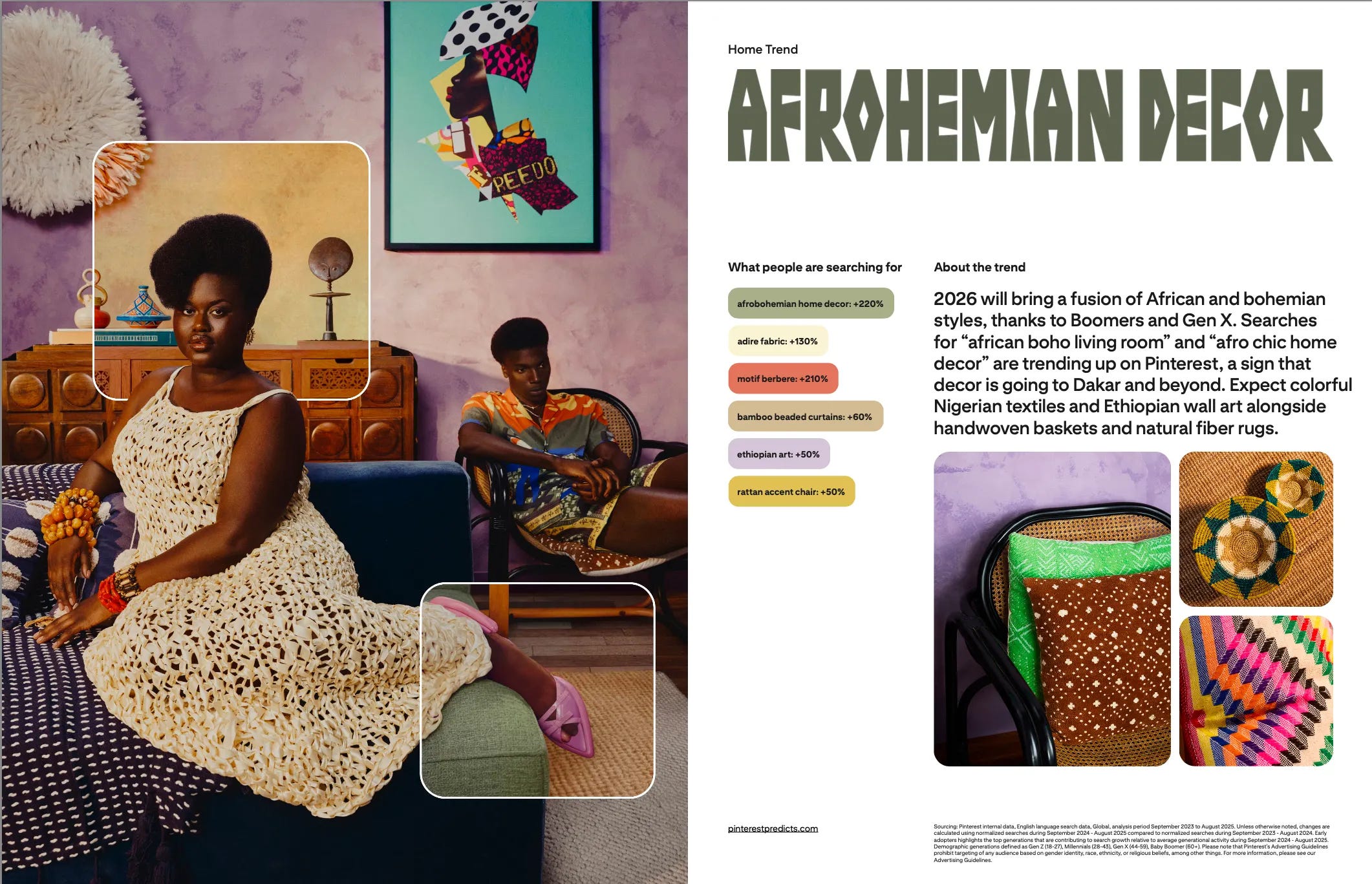
Optimizing titles, descriptions, and alt-text for SEO; maintaining consistent color palettes and clean composition; and designing content that feels worth saving all give brands algorithmic advantages. Tying content to recognizable cultural codes or established aesthetic languages amplifies this effect even further. Pinterest Predicts reports already outline dozens of upcoming trends across style, fashion, home textiles, and travel for 2026 they’re well worth reviewing.
User-generated content, before/after visuals, mini how-to videos, and Idea Pins also play a strong role in increasing organic reach. Since Pinterest favors long-lived content, each visual asset gradually contributes to a brand’s own discovery ecosystem.
But let’s say you’ve done all of this and now you’re launching your hero product. If you’re operating in Turkey, this often means setting up campaigns through a UAE-based entity due to advertising limitations. What then?
First, an important note: brands with strong organic Pinterest performance tend to see significant returns from this investment especially in catalog ads and retargeting campaigns. Because Pinterest performance emerges from the intersection of content, context, and correct targeting.
1. Idea Pins and Video Pins
Short, educational, fluid content captures attention quickly.
Example: Three simple ways to make a small living room feel larger.
2. Product Catalog Integration
Shopping pins that show products with pricing and descriptions are extremely effective for e-commerce.
3. Theme-Based Boards
Boards like “Capsule wardrobe ideas”, “2026 home trends”, or “Earth-tone interiors” place products within a lifestyle context, accelerating conversion.
4. SEO-Optimized Pins
Pinterest works like a discovery engine. Keyword usage in titles, descriptions, and alt-text dramatically improves visibility. Globally, this works across categories ranging from textiles to organic honey.
5. Retargeting
Reaching users who added items to cart but didn’t purchase significantly increases conversion rates.
6. Seasonal Campaigns
Search demand peaks around periods like wedding season, Mother’s Day, and New Year. Campaigns aligned with these moments perform especially well. Because ultimately, on Pinterest, we’re selling a mood.
How Does Pinterest Contribute to Sales?
Sales on Pinterest usually begin at the planning stage.
When a user saves a product, they’re essentially saying, “I’m considering this.”
What happens next depends on the brand:
Inspiration boards show where and how products fit into real life.
Product pins drive direct traffic to the store.
Retargeting accelerates the final purchase decision.
Pinterest traffic is consistently reported to have longer session durations and higher page views. Over time, this turns the platform into a low-cost, long-term traffic source.
Additionally, Pinterest provides valuable learning data about what audiences genuinely respond to — insights that can be leveraged across other channels.
Final Thoughts
Pinterest remains a significant opportunity for brands not just global giants, but creative startups as well. Because its search-driven structure allows well-designed content to stay visible for a long time. Brands that reframe their catalogs through inspiration, rather than isolated products — using combinations, moodboards, color stories, and usage scenarios win here.

In short: products need to be save-worthy.
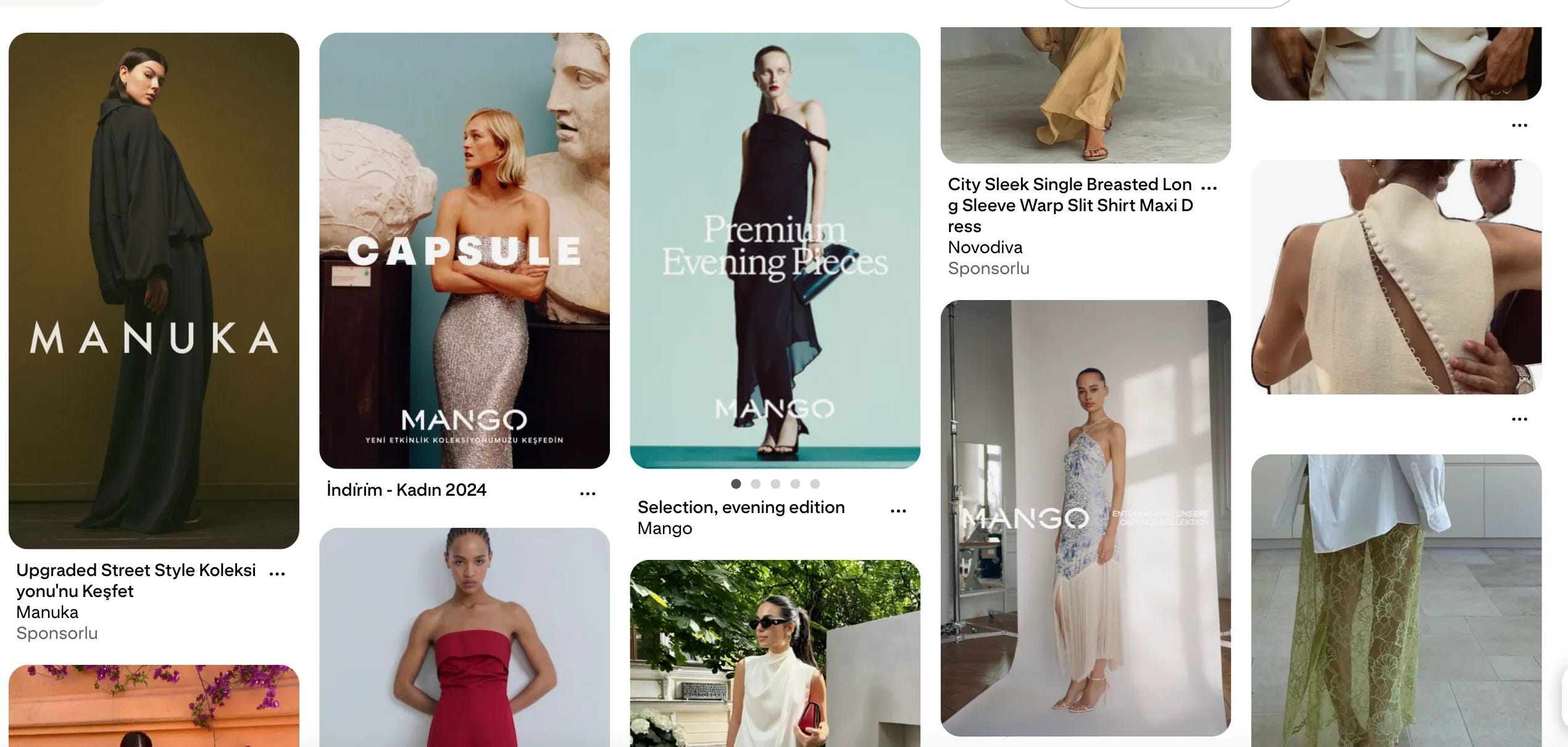
Major brands like Anthropologie, H&M, and Mango invest in both paid and organic Pinterest strategies. Locally, it’s encouraging to see brands like Manuka joining the space as well. This really is a new, enjoyable playing field.
And one final note: agencies can now open Pinterest business accounts too.
Which means the game just got a bit more interesting
