

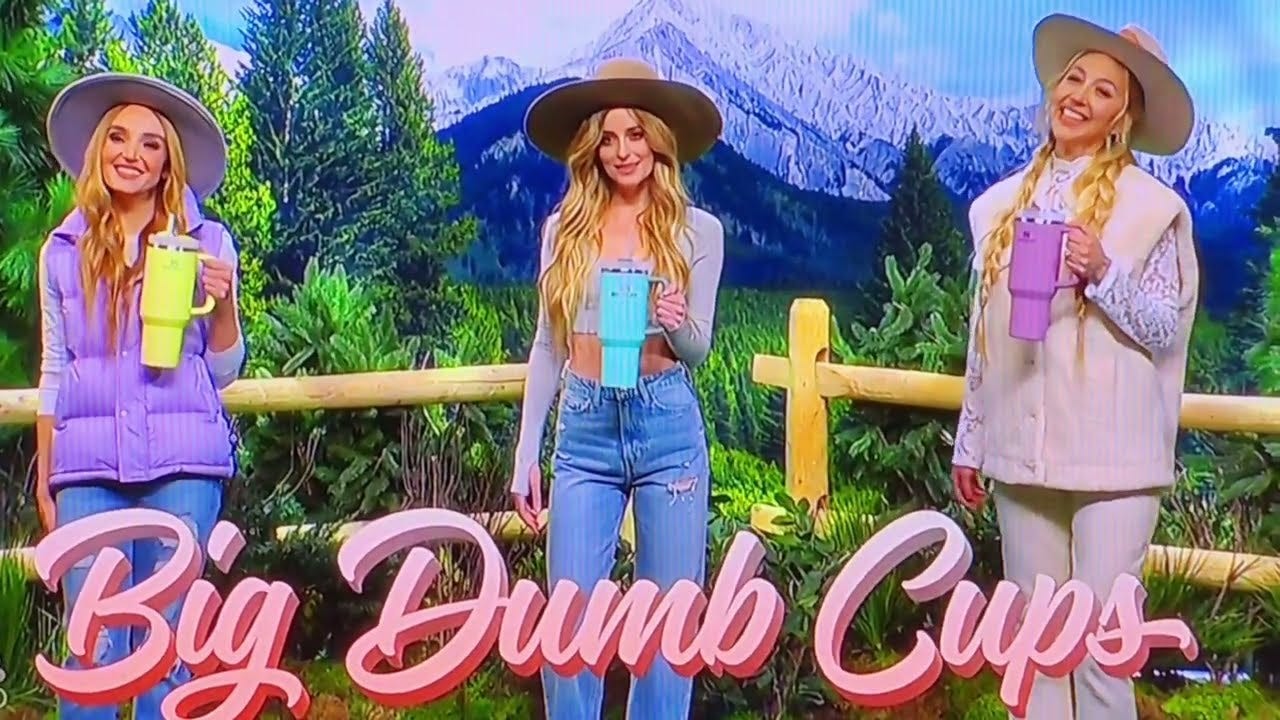
I was intrigued by this article in The Wall Street Journal about Stanley's new growth strategy. With its 40 ounce (approximately 1.2l) Quencher thermos, the new strategies of the brand, which is proudly carried by "white-collar workers" in Turkey and single mothers abroad, are remarkable. When the marketing of the brand by influencers in the US, especially through TikTok, got out of hand, a skit mocking the brand on Saturday Night Live was broadcast.
I was surprised to learn that the brand, which even pointed to a political stance in the 2023 elections in Turkey, was a brand used by Atatürk . When I saw that it was reproduced and offered for sale at a very high price as a special series for the 100th anniversary, my surprise was replaced by admiration because of my marketing hat.
In the news, Kate Ridley, the new CBO (Chief Brand Officer) of Stanley, said "the vision that brought us to this day is not what we need for the next 10 years". The brand, which first produced thermoses and ration containers for blue-collar workers, caught the second biggest wave with outdoor enthusiasts, and caught its third break thanks to social media. In 2023, the video explaining that the ice in the Stanley thermos did not melt even though the vehicle burned down went viral, and the Stanley brand suddenly became a "love brand", by turning the video into an opportunity and gifted a new vehicle to its owner.
The brand increased its sales from $75 million in 2022 to $750 million in 2023 , but the signs of downsizing in the industry began to show in April 2024. The sector, which grew 38% in 2023 , declined to 14% growth in 2024 . This is evidenced by Kate Ridley's reluctance to talk about the figures for 2024 in an interview with WSJ. So probably Stanley's turnover has also started to decline.
Stanley, which has managed to enter the homes of many people in the fast consumption craze (which still hasn't caught me yet), now seems to have focused on international markets and the sports sector. With its new protein-shaker model, it is focusing on a new target group that embraces an active lifestyle and now also men. According to the news, it will produce designs for local beverages as well as alcoholic beverages and cocktails. (Will there be an “ayran” shaker for Türkiye?)
But could this be the last exit before the bridge for Stanley? The bankruptcy of a well-established brand like Tupperware was much talked about last year. Until 2023, 90% of its sales still came from one-to-one marketing methods. When the direct sales network collapsed, the brand could not save itself even though it turned to online channels with a last move. With the expansion of competitors, a new population that lives alone and does not use storage containers and consumes food quickly, it disappeared into the dusty pages of history. Although it is not the same scenario, Stanley is at risk if it does not take the right steps in the downturn that follows such a rapid rise.
Considering the rapid advancement of AI, the decrease in the number of "white collar" employees in certain professions in the coming years due to lay-offs, and the possibility of "blue collar" employees becoming unemployed with the increase in automation, I think it is not difficult for Stanley to reach a dead end. While the middle class consumer used to be a very large mass in the middle layer of the pyramid, it is now a very narrow segment in the middle in the new hourglass model. The fact that competitors and imitation products find buyers faster at lower prices poses the risk of a major market loss, except for the audience that already owns the brand name as a label. Years from now, will I look back at this article and say "those were the days, but I told you so"? We will see :)